September 29, 2026
Garage doors may look simple from the outside, but their operation depends on several carefully balanced components. Among the most important are the springs, which counterbalance the weight of the door and make it possible for the opener or a person to raise and lower it safely. When those springs become worn, damaged, or broken, repairing them is not a routine DIY project.
Garage door springs are under substantial tension, and attempting to adjust, remove, or replace them without the appropriate tools and experience can result in serious injury or additional property damage. For that reason, homeowners should contact a qualified garage door contractor when they suspect a problem with their spring system. Professional repairs can address the underlying issue while reducing the risks associated with working around highly tensioned components.
Understanding what garage door springs do, how to recognize problems, and why professional repairs are recommended can help homeowners make informed decisions about maintaining their garage door system.
What Do Garage Door Springs Do?
Garage door springs are designed to counterbalance the weight of the garage door. Without this assistance, lifting a large, heavy door would require considerably more force from the opener and other components. Springs essentially store mechanical energy as the door moves and release that energy to help raise the door.
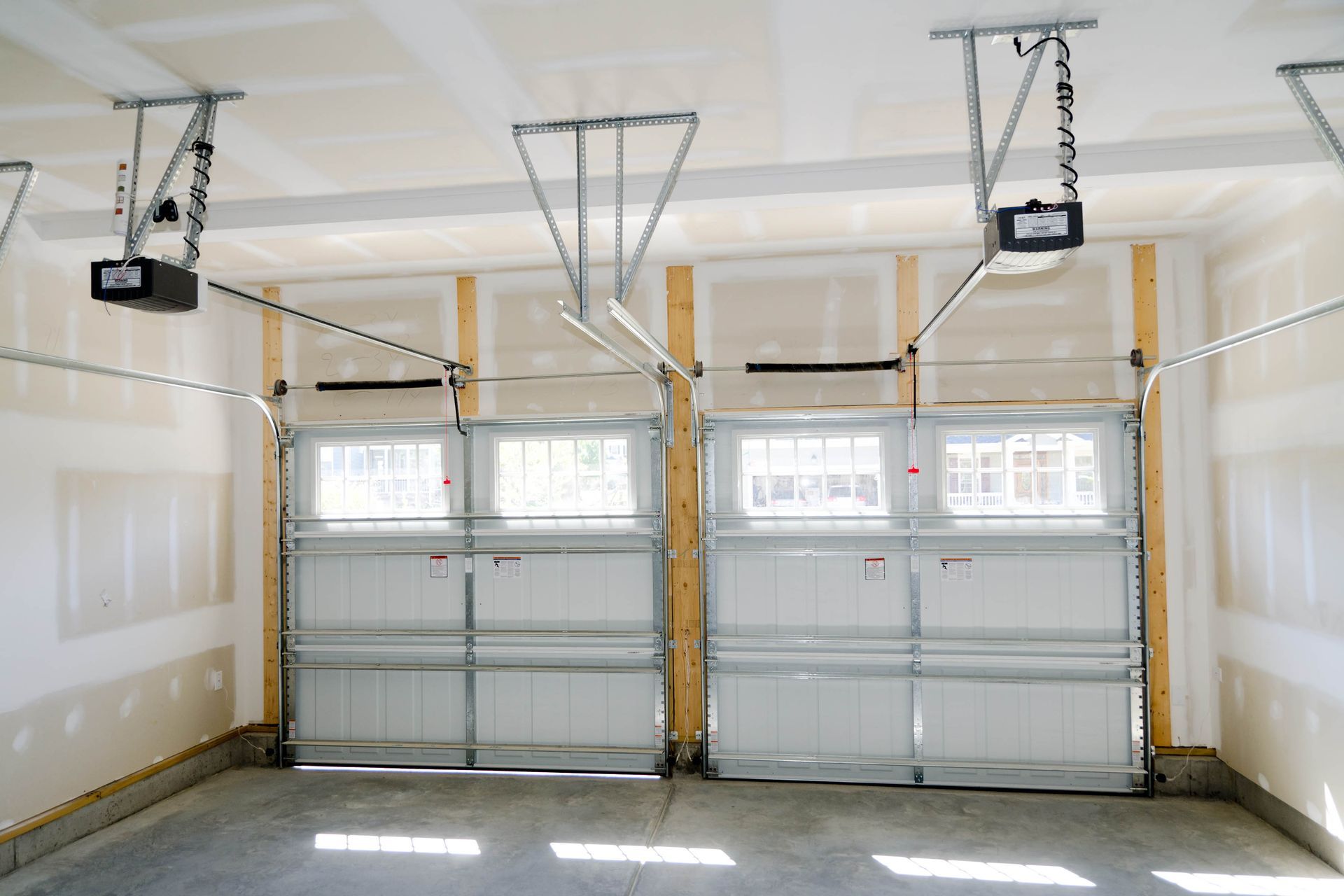
Most residential garage doors use either torsion springs or extension springs. Torsion springs are typically mounted above the garage door opening and twist as they store energy. Extension springs are positioned along the horizontal tracks and stretch as the door operates. Although their designs differ, both types serve the same basic purpose of helping balance the door.
The springs work in conjunction with the garage door opener, cables, rollers, tracks, and other hardware. The opener itself is not necessarily responsible for supporting the entire weight of the door. According to This Old House, a 3/4-horsepower opener can lift a garage door weighing up to approximately 1,000 pounds and spanning 20 feet when properly matched to the door system.
Because the springs play such an important role in balancing the door, a problem with one can affect the operation of the entire system. A garage door contractor can inspect the springs and related hardware to determine whether repair or replacement is appropriate.
Signs Your Garage Door Springs Need Replacement
A broken spring is not always immediately obvious. In some cases, homeowners may notice changes in how the garage door operates before a spring completely fails. Recognizing these warning signs can help prevent further damage and potentially reduce the likelihood of being stuck with a door that cannot open.
One common sign is a garage door that feels unusually heavy when operated manually. If the door suddenly requires significantly more effort to lift, the springs may no longer be providing adequate counterbalance. A door that opens unevenly or appears crooked can also indicate a problem with the spring or cable system.
Another warning sign is a garage door that refuses to open fully. If the opener runs but the door only rises a few inches before stopping, the system may be detecting an excessive load caused by a broken spring. Homeowners may also hear a loud bang when a spring breaks. Torsion springs can release stored energy suddenly, producing a sound that resembles a gunshot.
Visible gaps in a torsion spring are another indication that it has broken. However, homeowners should not attempt to touch or manipulate the spring to confirm the problem. Instead, contacting a garage door contractor allows the system to be evaluated without unnecessarily exposing someone to the hazards associated with the damaged component.
Risks of Attempting Garage Door Spring Repair Yourself
The biggest reason to avoid DIY spring repair is the amount of stored energy involved. Garage door springs are intentionally placed under high tension so they can counterbalance a heavy door. If that tension is released unexpectedly, metal components can move with considerable force.
Improperly attempting to unwind or install a torsion spring can result in severe hand, arm, or facial injuries. Extension springs present their own hazards because they can potentially move violently if they fail or are improperly handled. There is also a risk of damaging cables, brackets, tracks, or the door itself during an inexperienced repair.
Another problem is that replacing a spring is not simply a matter of finding a spring that looks similar. Springs are selected according to factors such as the door's weight, dimensions, configuration, and existing hardware. Using the wrong spring can leave the door improperly balanced or place additional stress on the opener and other components.
Homeowners may also attempt to fix the problem by adjusting the opener instead of addressing the spring. This can mask the underlying issue while potentially putting additional strain on the motor and drive system. A garage door contractor has the training and equipment necessary to diagnose the system as a whole rather than treating one symptom in isolation.
Why Hire a Professional Garage Door Contractor?
Professional spring service provides more than replacement of a damaged component. A qualified garage door contractor can inspect the entire system to identify related problems that may have contributed to the failure or that could create problems later.
During a service visit, the technician can examine the springs, cables, rollers, tracks, hinges, brackets, and opener. They can also evaluate whether the door is properly balanced and whether the replacement spring is appropriately matched to the door.
Professional technicians also have specialized tools designed for spring work. These tools allow them to control the tension involved during removal and installation rather than relying on improvised equipment. Proper procedures are particularly important when dealing with torsion springs because even a seemingly small mistake can have serious consequences.
Hiring a garage door contractor can also help ensure that repairs comply with the manufacturer's specifications and accepted safety practices. Rather than guessing at the correct spring size or attempting to reproduce a repair seen in an online video, homeowners can have the work completed by someone who regularly services these systems.
Cost Implications of Garage Door Spring Repairs
The cost of repairing or replacing garage door springs varies depending on the type of spring, the door's size and weight, the extent of the problem, and local labor rates. While a DIY repair may initially appear less expensive because it eliminates labor charges, the potential costs of a mistake can quickly outweigh those savings.
An incorrect installation can damage other garage door components, requiring additional repairs. More importantly, an injury resulting from improper spring handling can result in medical expenses and time away from work. These potential consequences make the apparent savings of a DIY repair considerably less attractive.
A garage door contractor can also identify related maintenance issues during a spring replacement. For example, worn rollers, damaged cables, or problems with the tracks may contribute to poor operation. Addressing those issues at the same time can help prevent repeated service calls and extend the useful life of the overall system.
Homeowners should also consider the value of proper diagnosis. Replacing a spring without determining why the system is malfunctioning may not solve the underlying problem. Professional service provides an opportunity to evaluate the complete door assembly and make appropriate repairs.
Garage door springs are essential to the safe and reliable operation of a garage door, but they are also among the components homeowners should not attempt to repair themselves. Their stored energy creates hazards that are difficult to manage safely without proper training, tools, and experience.
When a door becomes unusually heavy, operates unevenly, fails to open properly, or shows visible signs of a broken spring, contacting a qualified
garage door contractor is the safest approach. Professional technicians can diagnose the problem, select the appropriate replacement components, and service the system without exposing homeowners to unnecessary risks.
Instead of treating garage door spring repair as a weekend DIY project, homeowners should view it as specialized mechanical work. If you're in need of garage door repairs, reach out to the dedicated team at Anozira Door Systems today!